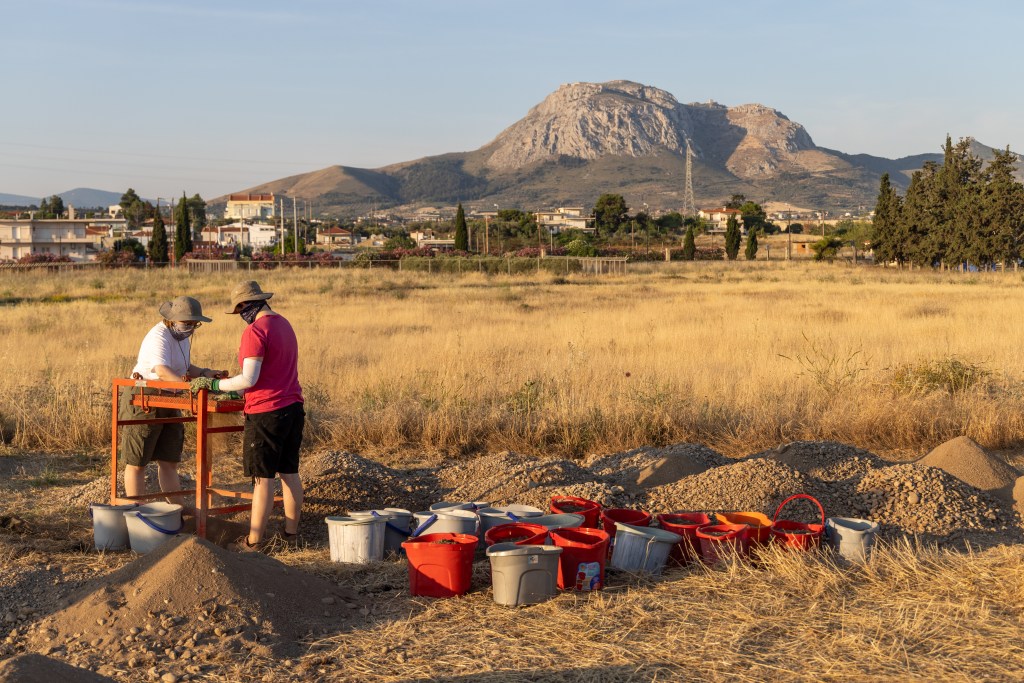
Keep coming back here as we continue to disseminate our academic work related to the on-going efforts done in the field by our team on the Lechaion Harbor and Settlement Land Project.
Publications
More information coming here soon!
Conference Presentations
5 January 2024
Archaeological Institute of America, Annual Meeting, Chicago
2C: Recent Archaeological Work in Greece and the Aegean
Lechaion Harbor and Settlement Land Project Field Report 2023
Paul D. Scotton, California State University Long Beach, Georgios Spyropoulos, Corinthian Ephorate of Antiquities, and Angela Ziskowski, Coe College
News
July 2024
The rich archaeological work that happens practically on a daily basis in the Corinthia was featured this summer on Greece CNN, particularly as one of their journalists, Chrysanthi Stetou, illustrated it through her article, “A Summer Escape in Ancient Corinth–All That You Should See” (“Καλοκαιρινή απόδραση στην Αρχαία Κόρινθο – Όλα όσα πρέπει να δείτε”). You can find the article (in Greek) here.
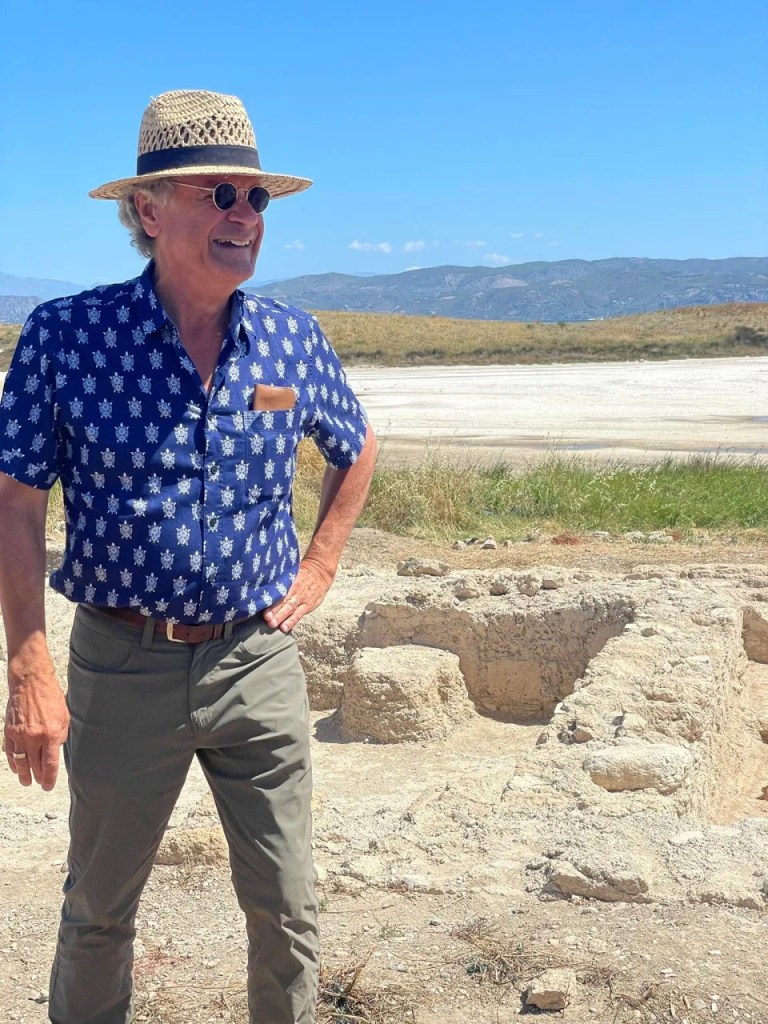
@CNN Greece
Tourism continues to grow in the Corinthia, a vibrant region full of many things to do, including the archaeological work at Lechaion. This press coverage continued in the article, “The Corinthia: An Attractive Destination with a Unique History for Quality Holidays” (“Κορινθία: Ένας θελκτικός προορισμός με μοναδική ιστορία για ποιοτικές διακοπές”) on tourismtoday.gr. See the article (in Greek) here.
May 2024
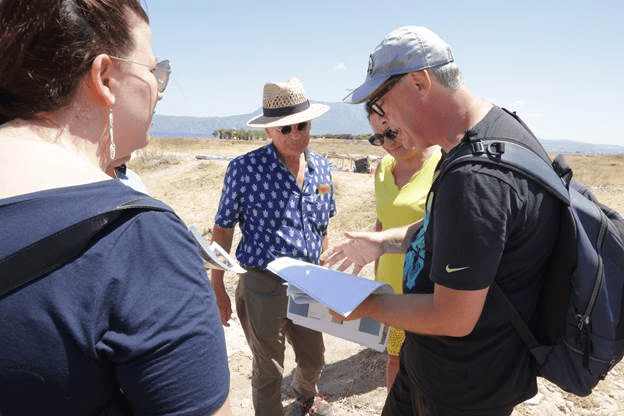
Our connections to the local community of Ancient Corinth and the wider Corinthia are extremely important to the work that we do on the area’s ancient past. The excavations were featured in the Professional Association of Ancient Corinth (Σύλλογος Επαγγελματών Αρχαίας Κόρινθος). See the post on their website (in Greek) here.
April 2024
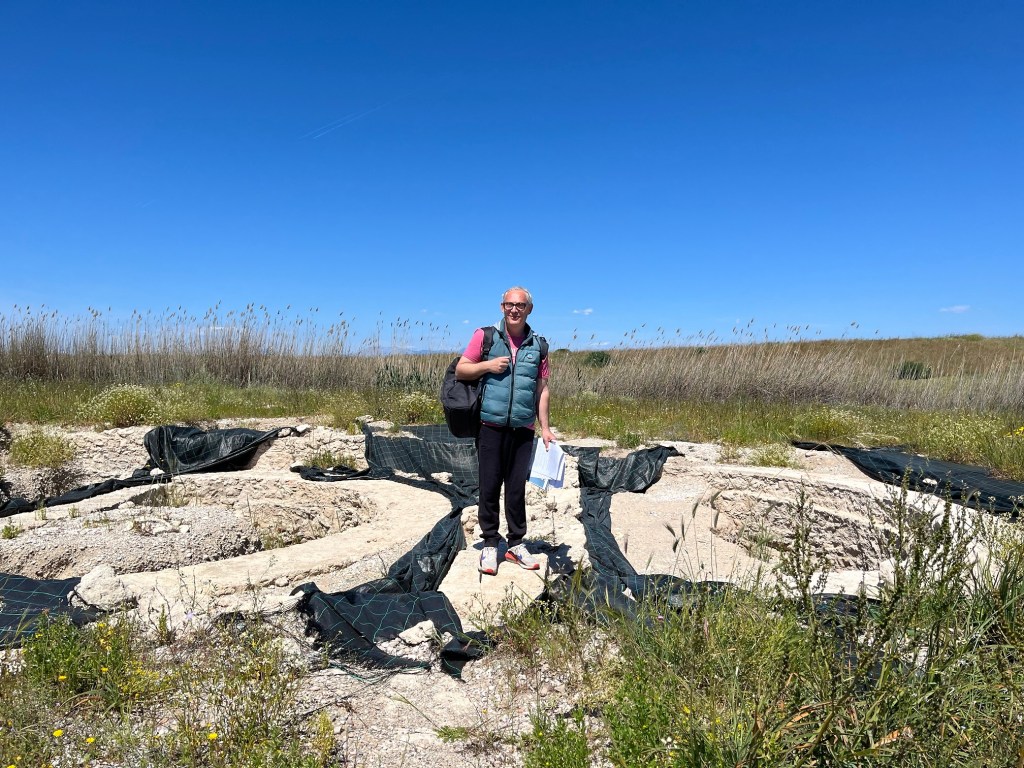
The excavations at Lechaion were featured in an article in in2life, an online publication in Greece, entitled, “What’s Happening at the Excavations at Lechaio?” (“Τι συμβαίνει στην ανασκαφή του Λέχαιου”). In the “Travel Tips” section, Iro Koundani explored the site and interviewed the project’s director, Dr. Georgios Spyropoulos. You can find the article (in Greek) here.
 Lechaion Harbor and Settlement Land Project